

Have you ever spent hours chasing an elusive electrical gremlin only to end up back where you started? For today’s mechanic, electrical diagnosis without proper resources is like navigating a maze blindfolded. With modern vehicles containing upwards of 100 million lines of code and dozens of interconnected modules, decoding wiring diagrams, TSBs, and DTCs efficiently isn’t just convenient—it’s essential for business survival.
What separates the most profitable technicians from those constantly struggling with electrical issues? After interviewing shop owners and technicians nationwide, we discovered eight game-changing techniques for leveraging Mitchell1’s resources that transformed their diagnostic approach.
Why Electrical Diagnosis Has Changed Forever
Today’s vehicles have evolved dramatically from just a decade ago. What used to be simple mechanical systems are now complex networks of sensors, modules, and digital communication buses. A typical modern vehicle contains:
- 70+ electronic control units (ECUs)
- Miles of wiring harnesses
- Multiple communication networks (CAN, LIN, MOST, FlexRay)
- Thousands of potential diagnostic trouble codes
Electrical diagnosis typically requires:
- Medium to advanced technical knowledge
- 1-4 hours of diagnostic time (depending on complexity)
- Access to accurate, vehicle-specific documentation
Mechanics most commonly need wiring diagrams, TSBs, and DTCs when:
- Warning lights illuminate without obvious causes
- Intermittent electrical failures occur
- Vehicle systems communicate incorrectly
- Control modules require programming or replacement
Essential Tools for Successful Electrical Diagnosis
Digital Resources
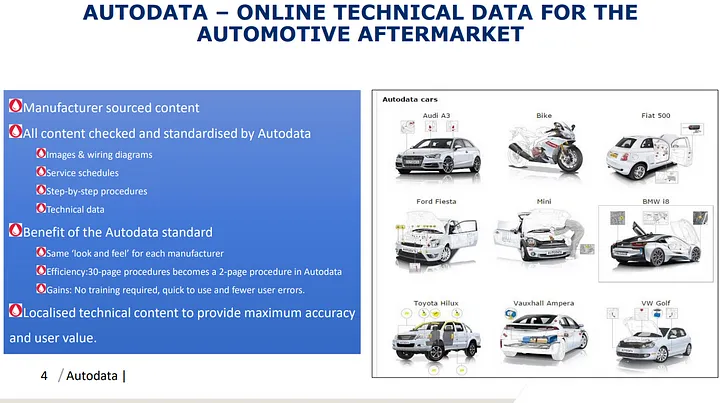
- Mitchell1 ProDemand: Comprehensive database of wiring diagrams, TSBs, DTCs with interactive features
- OEM Information: Factory-specific information (useful for comparison)
- AllData: Alternative resource with different presentation format
Physical Tools
- Professional-grade digital multimeter (Fluke 88V or equivalent)
- Lab scope (for advanced signal analysis)
- Circuit testing tools (power probe, test light)
- Scan tool with bi-directional control capabilities
- Wire pin-out kits and terminal tools
“Having the right information at your fingertips is just as important as having quality tools,” explains Tony, a 25-year master technician. “Mitchell1’s organization of wiring diagrams, TSBs, and DTCs cuts my diagnostic time in half compared to using generic information.”
8 Pro Tricks for Decoding DTCs Using Mitchell1
Trick #1: Use the Component Connection Test Feature
Mitchell1’s interactive wiring diagrams allow you to select a component and instantly see all connected systems.
“When diagnosing a failed mass airflow sensor, I discovered it shared a reference voltage with three other sensors through Mitchell1’s connection view,” says Maria, a performance shop specialist. “This explained why all four sensors were reporting erratic readings despite only one being physically damaged.”
Pro Application: For intermittent sensor issues, always check shared circuit connections before replacing components.
Trick #2: Cross-Reference Multiple Systems
Modern vehicle problems rarely affect just one system. Mitchell1’s cross-system reference shows relationships between seemingly unrelated components.
Robert, a dealership diagnostic technician, recalls: “A Chevy Equinox came in with both HVAC and transmission issues. Using Mitchell1’s system view, I discovered both systems shared a communication line with the body control module. One corroded ground connection was affecting both systems.”
Time-Saving Tip: Start with the simplest shared connection (usually power or ground) when multiple systems exhibit problems.
Trick #3: Search TSBs by Symptom, Not Just Code
Many intermittent issues have known fixes documented in TSBs, even without setting specific DTCs.
“A Ford F-150 had an intermittent no-start condition with no stored codes,” explains Jason, a mobile diagnostic specialist. “Rather than guessing, I searched Mitchell1’s TSB database by symptom and found a bulletin describing identical behavior caused by a defective inertia switch wiring harness.”
Efficiency Hack: Create custom search strings combining vehicle symptoms with common terms like “intermittent,” “water ingress,” or “temperature related.”
Trick #4: Utilize the Integrated Component Testing Procedures
Mitchell1 includes manufacturer-recommended testing procedures alongside wiring diagrams.
“Instead of developing my own testing sequence for a Mercedes-Benz air suspension issue, I followed Mitchell1’s guided component test,” says Derek, a European specialist. “Their procedure included checking for specific voltage drops under load—something I wouldn’t have thought to test—which immediately revealed the actual issue.”
Accuracy Boost: Following manufacturer test procedures decreases diagnostic time by up to 60% for complex systems.
Trick #5: Leverage the Historical Fix Data
Mitchell1‘s SureTrack feature shows successful repairs for specific DTCs from other technicians.
Sarah, an independent shop owner, notes: “When a Toyota Prius came in with a hybrid system warning, Mitchell1 showed that 78% of similar cases were resolved by updating the hybrid control module software rather than replacing components. This saved my customer over $1,200.”
Cost-Saving Approach: Always check the historical fix database before ordering expensive components.
Trick #6: Use the Circuit Trace Feature for Complex Networks
The circuit highlighting function allows you to trace exactly how power, ground, and signal paths connect.
“Diagnosing a BMW communication network issue seemed impossible until I used the circuit trace feature,” remembers Michael, a diagnostic trainer. “I could visually follow each network segment and isolate exactly where the resistance variance was occurring.”
Visualization Technique: Use different colors to track power, ground, and signal paths simultaneously.
Trick #7: Compare Known-Good Values with Live Data
Mitchell1 provides manufacturer-specified values alongside wiring diagrams.
“When troubleshooting a Subaru with multiple oxygen sensor codes, I noticed one sensor’s voltage response looked normal on my scan tool but didn’t match the expected pattern shown in Mitchell1’s specifications,” explains Carlos, a driveability specialist. “This subtle difference indicated a catalyst efficiency issue rather than a sensor problem.”
Diagnostic Precision: Always compare actual sensor behavior against expected patterns, not just voltage ranges.
Trick #8: Use the Wire Size and Color Database
Mitchell1 includes comprehensive wire specifications, critical for electrical repairs.
“After a rodent damaged a wiring harness on a Nissan Pathfinder, Mitchell1’s detailed wire color and gauge information allowed me to properly repair each circuit,” says Thomas, a rural workshop owner. “Without this information, I would have had to replace the entire $1,200 harness.”
Repair Enhancement: Document wire repairs using Mitchell1’s specifications to ensure warranty compliance.
Real-World Case Studies
Case Study #1: The Mysterious Shutdown
A 2019 Chevrolet Silverado would randomly shut down while driving with no warning lights or stored codes. Using Mitchell1’s wiring diagrams, TSBs, DTCs database, the technician traced the ignition circuit and discovered a TSB describing an identical issue caused by a faulty body control module ground connection. The repair took just 30 minutes once identified, saving the customer from the dealership’s recommendation to replace the engine control module.
Case Study #2: Dashboard Christmas Tree
A Honda Accord arrived with multiple warning lights: ABS, Traction Control, TPMS, and Check Engine. Rather than assuming multiple failed systems, the technician used Mitchell1’s system interaction diagrams to identify shared components. This revealed that all affected systems relied on the same wheel speed sensor network. One corroded connector was causing cascading failures across multiple systems, resulting in a simple, cost-effective repair.
Case Study #3: The Intermittent Starting Problem
A Ford Transit van had an intermittent no-start condition that other shops couldn’t solve. Using Mitchell1’s component location guides and testing procedures, the technician discovered that a specific wire routing was causing interference between the anti-theft system and the starting circuit—an issue documented in a recent TSB that hadn’t yet been widely distributed.
Maintenance and Longevity Strategies
To maintain diagnostic excellence:
- Update your Mitchell1 subscription regularly
- Document successful repair strategies for future reference
- Create a shop database of recurring electrical issues specific to your customer base
- Conduct monthly training sessions using Mitchell1’s educational resources
“I set aside one hour each week to explore Mitchell1’s latest features and updates,” explains Jennifer, a shop trainer. “This small investment keeps our entire team on the cutting edge of diagnostic efficiency.”
Alternative Approaches to Consider
While Mitchell1 provides comprehensive resources, some situations benefit from additional approaches:
- Direct Factory Tools: For some specialized programming functions or brand-new models
- Technical Hotlines: For extremely rare or complex issues
- Community Forums: For emerging issues not yet documented in formal TSBs
- Manufacturer-Specific Training: For brand-specialist shops
However, most technicians agree that having Mitchell1 as your primary resource eliminates the need for multiple information sources in 90% of cases.
Conclusion
As vehicles continue to evolve in complexity, proficiency with wiring diagrams, TSBs, and DTCs becomes increasingly valuable. The most successful technicians are those who leverage quality information efficiently.
By implementing these eight Mitchell1 techniques, you can:
- Reduce diagnostic time by up to 70%
- Increase first-time fix rates
- Build customer confidence through accurate diagnosis
- Improve shop profitability by solving problems other shops can’t
Remember, in today’s competitive market, your diagnostic approach is often your most significant advantage over less-informed competitors.
Ready to transform your electrical diagnostic process? Request a free trial now and discover how Mitchell1’s wiring diagrams, TSBs, and DTCs resources can revolutionize your approach to even the most challenging electrical issues.
Frequently Asked Questions
Q: Is Mitchell1 better than other information systems for electrical diagnosis?
A: Mitchell1’s strength lies in its interactive features and integration of multiple information sources. While other systems provide similar information, many technicians prefer Mitchell1’s presentation and organization, particularly for electrical diagnosis.
Q: How quickly does Mitchell1 update its TSB database?
A: Mitchell1 typically updates TSBs within 30 days of manufacturer release, though critical safety-related information is often available sooner.
Q: Can Mitchell1 help with older vehicles?
A: Yes, Mitchell1 maintains information for vehicles up to 30+ years old. The level of detail varies by manufacturer and age, but wiring diagrams and basic diagnostic information remain available for most vehicles.
Q: Is Mitchell1 suitable for small independent shops?
A: Absolutely. Most small shop owners report that Mitchell1 pays for itself through increased diagnostic efficiency and decreased comebacks. The subscription model allows access to information that would otherwise require multiple OEM subscriptions.
Q: How does Mitchell1 handle newer electric and hybrid vehicles?
A: Mitchell1 provides comprehensive coverage of electric and hybrid systems, including high-voltage component locations, safety procedures, and specialized diagnostic routines specific to these vehicles.


